



- Home /
- Let’s preserve our beautiful mountains
Let’s preserve our beautiful mountains
Help us preserve our beautiful mountains
The mountains offer us an incredible playground for outdoor activities, but above all they are a wild and fragile environment, full of life and home to many species. To continue enjoying this exceptional natural area for years to come, we all need to adapt our habits and follow simple, responsible practices.
As a tourist destination, the involvement and participation of our visitors are essential to protecting our natural surroundings. We are counting on you to play an active role in preserving them, alongside us!
Good practices in the mountains
The mountains are home to many natural resources and a rich biodiversity. They are also a place where many different activities take place, from pastoral farming and outdoor recreation to professional activities. To ensure a harmonious coexistence and help protect these areas, we would like to share some good practices to follow when exploring the hiking trails in Vaujany and beyond.
I take all my waste home
In the mountains, natural decomposition takes much longer, and even a banana peel can take around two years to disappear. So, after enjoying your picnic, remember to take all your rubbish home with you, including biodegradable waste! A simple tip: bring a small container or bag to carry tissues, cheese rinds or apple cores back home with you. You will help preserve both the beauty of the landscapes and the natural balance of the ecosystems.
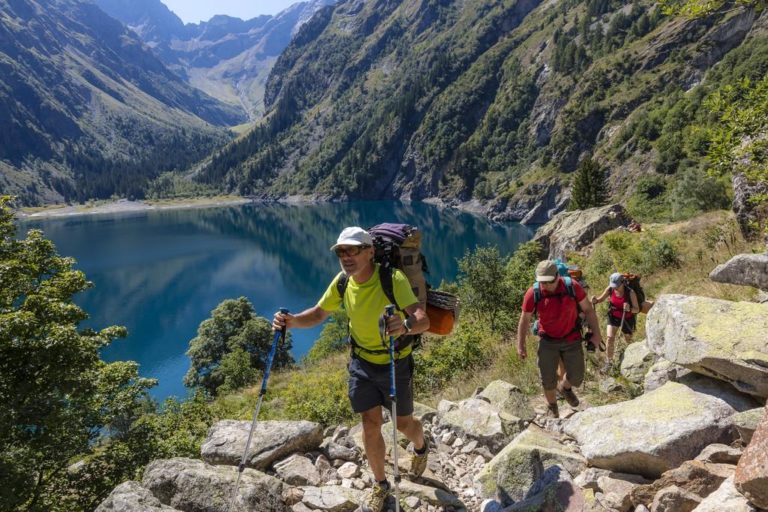
I stay on marked trails
Taking a shortcut can be tempting. But these unofficial paths that cut across switchbacks contribute to erosion, damage vegetation and disturb the tranquillity of wildlife. In the mountains, please stay on marked trails. It will also help you avoid getting injured or lost!
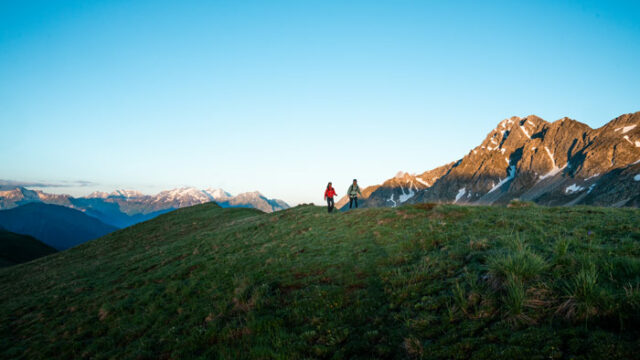
I admire high-altitude lakes without swimming in them
High-altitude lakes are particularly fragile environments. By entering these areas, we can alter their ecosystems and disrupt their natural balance. Did you know that swimming stirs up sediments, affecting photosynthesis, plankton, invertebrates and amphibians? In addition, trampling on the shores causes soil compaction, erosion and the destruction of local flora and fauna. Sunscreens and cosmetics can also release chemical pollutants that may be harmful to aquatic organisms.
I stay quiet to avoid disturbing wildlife
The mountain landscape has a particular ability to amplify sounds through the echo effect. Every noise can travel much further and disturb local wildlife.
So, when you are in the mountains, keep your voice down and turn off your music: your mountain experience will be even more authentic, and you will increase your chances of spotting wildlife. Don’t forget your binoculars!
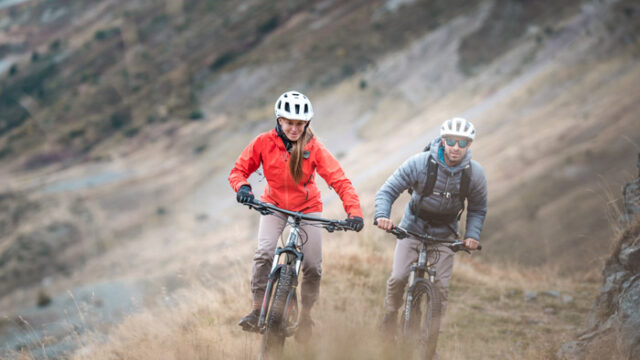
I share the trails with other users
The mountains are home to many different activities, both recreational and professional. Hikers, shepherds, mountain bikers, hunters, farmers, and more… the trails are shared with respect (giving way to those coming uphill, going around herds) and can also be a great opportunity for meaningful encounters and exchanges. In the mountains, it is customary to greet people when you pass each other!
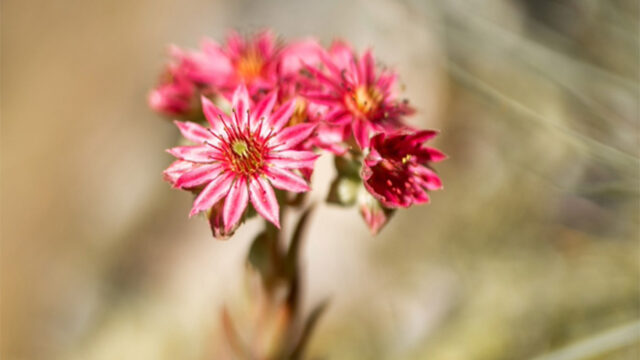
I admire flowers without picking them
Because of stronger winds and colder temperatures at higher altitudes, mountain plants take longer to bloom. They are also an essential source of food for insects and bees, which are important to protect. Most mountain species are rare, and picking wild plants is regulated and completely forbidden for some species.
So, even if it is tempting to make a beautiful bouquet, please avoid picking (or trampling) the flowers you find along the trails. Instead, take photos and add them to your holiday memories!
I camp responsibly
Spending a night in the heart of the mountains is a wonderful experience! But doing so while respecting the surrounding environment is even better. Before setting off, make sure you know the following: wild camping is regulated and is only permitted in authorised areas (check with the Tourist Office beforehand). Tents may be set up after 7 pm and must be taken down before 9 am. Of course, bring your own cooking equipment and camping stove, as open fires are prohibited. Above all, to fully enjoy the incredible show offered by nature at sunset, remember to keep noise to a minimum.
I find out about local regulations
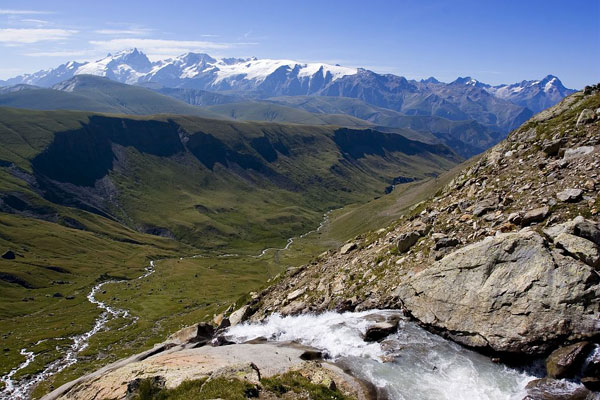
In the mountains, many areas are protected. Specific rules apply (dogs, wild camping, hunting, fishing, drones, etc.). Make sure to find out about them at the tourist office before setting off. Near Vaujany, you will find the Écrins National Park, offering spectacular landscapes.
For more information, you can visit the Maison de l’Oisans et du Parc National des Écrins in Bourg d’Oisans.
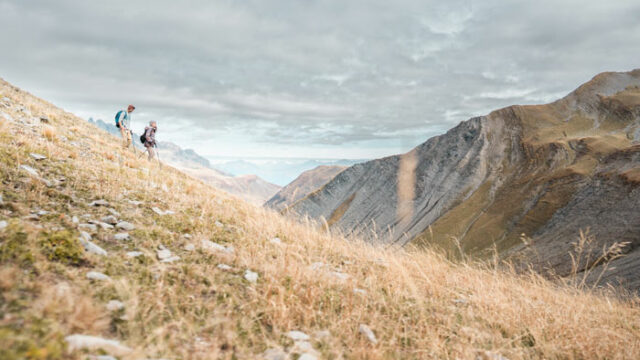
What should I do when I meet a livestock guardian dog?
In the mountains, summer grazing areas are vast, and livestock guardian dogs protect sheep flocks from potential threats. It is not uncommon to come across them along hiking trails, even when the shepherd is not nearby.
The dog will want to make sure that you are not a danger to the flock. Stop and avoid sudden movements with your arms or walking poles. If you are cycling, get off your bike and walk alongside it. Do not look the dog directly in the eyes and speak calmly, using a lower tone of voice. To feel more secure, you can place your backpack in front of you. Once the dog is reassured, it will return to its duties.
Always keep a safe distance from the flock and walk around it widely… this is one of the rare situations where you are allowed to leave the marked trail.
If you cannot go around the flock and the dog does not accept your presence, it is better to turn back and choose another route. Before setting off, you can check online where guarded flocks are located using the MapPatou created by KezakoPasto.
The view is breathtaking enough already!
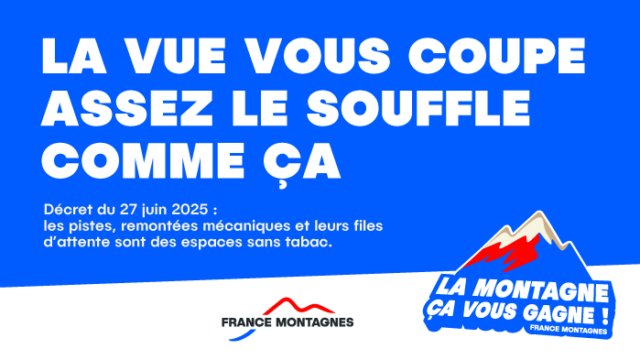
Cigarette butts are the most commonly collected waste during clean-up operations on ski areas, and a single one can pollute up to 500 litres of water.
To help preserve air quality and the beauty of our mountains, pistes, lift queues and ski lifts are becoming smoke-free areas. Decree no. 2025-582 of 27 June 2025 has extended smoking restrictions to new outdoor spaces, strengthening both public health and environmental protection. This now includes ski lifts (all types, including chairlifts), lift queues and ski runs. A nationwide measure that Vaujany welcomes as another step towards a cleaner, more enjoyable and more shared mountain environment.
Go Far, Leave the Car!
Travelling to Vaujany? Why not choose lower-emission transport options?
It’s currently the most effective way to reduce your carbon footprint: a 500 km journey by high-speed train avoids around 107 kg of CO₂e compared with a petrol car.
You can take the train to Grenoble, then hop on the T75 bus line to Rochetaillée, where you can connect to the T71 or T70 line (on-demand service – remember to book by 2:30 pm the day before departure). To plan your journey more easily, visit: https://www.itinisere.fr/fr/itineraires/4/JourneyPlanner
Once in Vaujany, escalators and lifts make it easy to get around the village. Free shuttle buses also run between hamlets, making a 100% car-free stay entirely possible. Ready to give it a try?
If you’d like to go one step further, you can identify your main sources of carbon emissions and see which habits you could adjust. Vaujany invites you to complete your own carbon footprint assessment (in just 10 minutes) using the simulator developed by ADEME (https://nosgestesclimat.fr/) and explore actions that can help reduce the impact of your consumption (https://nosgestesclimat.fr/actions).
Protected areas in the vicinity
Ecrins National Park
Protected wetlands in the Oisans
©Parc National des Ecrins